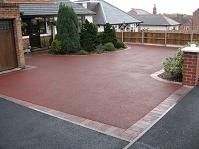
Choosing a driveway can seem like a small decision until you start using it every day. Cars need a firm place to park. Children walk across it. Bins move over the surface. Rain brings mud and leaves. Then there are those little stones that somehow end up in the garden or on the pavement. Gravel has its charm and many homes still use it but it can become a bit of a nuisance with regular use. Resin offers a different approach. Resin driveways carmarthen can give a modern home a cleaner finish while keeping the natural look of stone. The aggregate stays fixed within the resin so you do not get the same loose surface that comes with gravel. That makes parking easier and can reduce the amount of sweeping needed around the property. Resin also comes in a good range of colours so homeowners can choose a blend that works with brickwork walls gates and garden areas. It is not perfect for every property but when the ground preparation and installation are right it can be a practical choice for a busy home.
Why do modern homes often suit resin driveways?
Modern homes tend to have simple lines and clean outdoor spaces. A driveway with loose stones can sometimes look a little untidy once cars start using it. Stones shift. Tyre tracks appear. Edges lose their shape. Resin gives the same general stone effect without that loose movement. The surface looks more settled and works well beside contemporary walls paving and landscaping. You can choose a pale mix for a softer appearance or a darker blend that creates more contrast around the house. The choice does not have to follow a trend either. Neutral colours can work for years without looking dated. A driveway takes up a large part of the front garden so its appearance matters. Resin lets you make that space look considered without turning it into something overly fancy.
Is resin easier to keep tidy than gravel?
For many homeowners this becomes one of the biggest reasons to choose resin. Gravel needs regular attention because stones move under tyres and shoes. Rain can wash some pieces towards drains or edges. A car can push stones into tracks where they build up over time. You may find yourself raking the driveway back into shape. Resin does not need that sort of routine work because the aggregate stays fixed. Leaves and dirt still land on the surface but you can sweep them away without disturbing the stones. A stiff outdoor brush usually does the basic job. If mud appears after heavy rain you can clean the area instead of raking gravel back across the driveway. Nobody wants to spend every Saturday sorting stones around a parked car. A lower-maintenance surface can free up some of that time.
Why does resin provide a better surface for cars?
Cars work better on stable ground. Gravel can shift when tyres turn especially when you reverse or make a tight manoeuvre. Small stones may move beneath the tyres and leave shallow tracks. Resin provides a firm surface that does not scatter under normal domestic vehicle use. This can make parking feel more predictable. It also means you are less likely to carry loose gravel into the garage. Tyres still collect road dirt and grit but you avoid adding a driveway full of loose stones to the mix. If your home has several cars this can become quite useful. The driveway gets more traffic and the surface needs to cope with repeated movement. Proper base preparation remains vital because the resin layer cannot compensate for a weak foundation.
Can resin help with driveway drainage?
Water can cause trouble on any driveway if it has nowhere to go. Gravel naturally allows water to pass through but that does not always mean the whole driveway manages rain well. Poor ground conditions can still leave puddles or create muddy areas. Resin bound systems can provide a permeable surface when the correct materials and installation methods are used. Rainwater can move through the surface and into the ground beneath. The exact result depends on the soil and the construction of the driveway. A good installer should look at the site before recommending the setup. If your property already has drainage problems tell the contractor. Do not assume the new surface will solve everything on its own. Proper planning makes a difference here.
Does resin give a more comfortable surface for walking?
Yes. Gravel can be awkward to walk over. Shoes sink into the stones. Small pieces can roll beneath your feet. Pushchairs and wheelie bins can also become annoying to move across the surface. Resin feels much more even. You can walk from the front door to the car without dealing with shifting stones. That can help older people and anyone who finds uneven ground uncomfortable. It also makes everyday jobs such as taking out the bins or carrying shopping a little easier. The surface does not need to be perfectly smooth to feel stable. The aggregate still gives it texture. You simply avoid the constant movement that comes with loose gravel. It is one of those benefits that may not seem important at first but becomes noticeable after a few months.
Why do homeowners like the appearance of resin?
A resin driveway can look neat without appearing too artificial. The stone aggregate gives the surface some character while the resin keeps everything in place. You can choose different aggregate sizes and colour combinations depending on the style you want. A house with red brick may suit warm tones. A modern property with grey walls could work well with a cooler blend. You can also use edging to create a clear border between the driveway and garden. This helps define the space and gives the front of the property a more finished look. Gravel can also look attractive when it is freshly laid. The difference comes after regular use. Resin tends to keep its shape better because the stones do not spread across the surrounding areas.
Is resin better for homes with children?
It can be. Children spend a lot of time moving between the house and the garden. Loose stones can end up in their hands. They can also get kicked towards doors windows and cars. A resin surface keeps the aggregate fixed which reduces this particular problem. The even finish also makes it easier to walk and move outdoor toys. You still need to supervise children around parked vehicles and driveways because no surface removes those risks. The benefit lies more in the day-to-day feel of the area. There are fewer loose pieces to scatter around. That can make the front of the house feel more controlled and less messy. For busy family homes that small difference can matter.
How does resin compare with gravel during wet weather?
Gravel can become muddy when the underlying ground does not drain well. Rain can also move loose stones around the driveway. You may notice piles of gravel near the edges after heavy weather. Resin bound surfaces can help create a more stable finish and may offer good permeability when the driveway has the right construction. Water can move through the surface instead of sitting in shallow dips. The result depends on the base and the ground below so you should never judge drainage by the resin layer alone. Gravel has natural gaps but those gaps can become filled with dirt over time. Once that happens drainage may not work as well as expected. Good installation matters with either material.
Does resin need less maintenance than gravel?
Usually yes. Gravel often needs topping up because stones disappear into the ground or spread beyond the driveway. You may need to rake it after storms or vehicle movement. Resin does not require regular raking because the aggregate stays in place. You can sweep leaves and debris from the surface. Occasional cleaning can remove marks and dirt that build up through normal use. That does not mean you can forget about the driveway completely. Moss and algae can appear in shaded areas. Oil should get cleaned up rather than left for months. Simple care keeps the surface looking fresh. The maintenance routine feels less hands-on compared with a loose gravel driveway.
Can resin last for many years?
A well-installed resin driveway can provide many years of use. The lifespan depends on the quality of the materials the ground preparation drainage and the amount of traffic. A driveway used by one small car will face different demands from one used by several vehicles every day. The base plays a huge role. If the ground moves or settles the finished surface can suffer. That is why you should look beyond the top layer when comparing quotes. Ask the installer how they prepare the base and what system they use. A cheap installation may look fine when new but problems can show up later. Spending more on proper groundwork can make much more sense than paying to repair a poorly prepared driveway.
Is resin suitable for older properties too?
Yes. Resin does not belong only outside new houses. The range of aggregate colours means it can work with traditional brick homes and older cottages as well. You can choose a blend that sits comfortably with the existing style instead of forcing a modern look onto the property. Some homeowners prefer a natural stone mix that feels softer. Others want a darker finish for a sharper contrast. The driveway should complement the house rather than compete with it. Edging and surrounding planting can also help blend the surface into an older garden. A good installer should be able to show you examples and discuss colour options before work begins. Looking at real samples can help because colours can appear different in photographs.
Why can gravel become frustrating for busy households?
Gravel sounds simple because you spread stones over the ground and drive across them. In practice it can need more attention than people expect. Tyres move the stones. Rain shifts them. Weeds may appear between the gaps. Stones collect near the road and under gates. You may need to top up areas that have become thin. Cars can also leave visible tracks where the tyres follow the same route. None of these issues makes gravel a bad material. It simply means you need to accept its quirks. Resin removes several of those daily annoyances. The stones stay where they were placed. You do not need to rake the surface after every period of bad weather. For people with busy schedules that can be a strong reason to choose resin.
What should you consider before choosing a resin driveway?
Start by looking at your property rather than choosing a material from a photograph. Check the existing surface and drainage. Think about the number of cars and the amount of traffic the driveway receives. If delivery vans often use the space tell the installer. Consider how much room you need for turning and opening car doors. Then look at colour options and edging. Ask several contractors for written quotes and compare what each one includes. The cheapest quote may leave out important groundwork. Ask about the base preparation the resin system drainage and expected maintenance. Look at previous installations too. A driveway that has been in use for a few years tells you more than a photograph taken on completion day. Take your time with the choice. You will see the driveway every day.
Why choose resin instead of gravel for a modern home?
Resin offers a useful mix of appearance comfort and everyday practicality. Resin driveways carmarthen can give homeowners the stone effect they like while avoiding many of the problems that come with loose gravel. Cars get a firm surface for parking. People get an easier path from the house to the vehicle. The driveway stays more settled after rain and regular traffic. You also have plenty of scope when choosing colours and aggregate blends. The surface still needs proper care and no driveway lasts forever. More importantly the installer needs to prepare the ground correctly. If the foundation is weak the best resin mix will not fix the problem. Choose the contractor as carefully as you choose the material. When the work is done properly resin can give a modern home a driveway that looks smart and handles daily life without demanding constant attention.
What are the common questions about resin and gravel driveways?
Is resin more expensive than gravel?
The initial cost of resin can be higher than gravel. The final price depends on the size of the driveway the groundwork drainage and the materials chosen. Gravel may need more topping up and regular attention which can add costs over time.
Can resin handle several cars?
Yes. A properly prepared resin driveway can handle normal domestic vehicle use. Tell the installer how many vehicles will use the area so they can plan the base and surface around the expected load.
Does gravel move more than resin?
Yes. Loose gravel can shift under tyres and during heavy rain. Resin binds the aggregate together so the stones remain in place. This gives the driveway a more stable finish.
Is resin easier to clean?
For many homeowners it is. You can sweep leaves and dirt from the surface without moving the aggregate. Gravel may need raking after vehicle movement or bad weather.
Can I choose the colour of a resin driveway?
Yes. Resin driveways come in different aggregate blends and colour combinations. You can choose a finish that works with your house brickwork walls and garden. Ask for physical samples before making the final choice because colours can look different on a screen.
Visit dehraduntempotraveller for more articles.