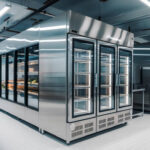
Industrial Refrigeration Services play a vital role in large facilities where temperature control affects products equipment and daily work. Warehouses food factories distribution centres and commercial kitchens often handle huge volumes of temperature sensitive goods. A minor cooling problem can quickly create waste and interrupt normal operations. That makes dependable refrigeration a practical business need rather than a simple convenience. With suitable planning and regular care large facilities can maintain stable temperatures while protecting stock and controlling unnecessary running costs.
Why Large Facilities Need Reliable Refrigeration
Large facilities face cooling demands that differ from ordinary commercial buildings. Their storage rooms cover bigger areas and their doors may open hundreds of times during busy working periods. Each opening allows warm air to enter and forces the cooling equipment to work harder. Production machinery can also create additional heat inside the building. Engineers therefore need to understand the complete environment before choosing refrigeration equipment for a particular facility.
Good cooling supports more than temperature control. It can protect food quality and preserve ingredients while helping businesses meet storage requirements. Stable conditions also make daily routines easier for workers because they can trust the storage environment. When equipment struggles constantly staff may notice temperature changes or unexpected alarms. A carefully planned system reduces these headaches and gives the facility a steadier working rhythm throughout the year.
How Proper Refrigeration Protects Stored Products
Temperature sensitive products need dependable surroundings from the moment they enter storage. Meat dairy products fresh produce frozen foods and certain medicines can lose quality when temperatures rise beyond suitable limits. Even short periods of poor cooling may affect freshness and shelf life. Large facilities therefore need systems that respond quickly when doors open or product loads change during normal operations.
Industrial Refrigeration Services can help businesses create suitable conditions for different storage requirements. Chilled areas may need one temperature range while frozen storage demands much colder conditions. Some facilities also use separate rooms for different products. This arrangement prevents unsuitable temperatures from affecting sensitive stock. Correct airflow matters too because cold air needs to circulate around products without creating unwanted warm spots inside the room.
Cold Room Design And Installation Considerations
A cold room needs careful design before installation begins. Engineers consider room dimensions insulation thickness door placement product volume lighting and expected traffic. These details influence the cooling load and help determine the equipment capacity required. Poor planning can leave a room struggling during busy periods. Good planning creates a practical balance between cooling performance energy use and everyday convenience.
Insulation deserves particular attention because it forms the protective barrier around the cold environment. Weak joints damaged panels or poor door seals can allow heat to enter continuously. Workers may then notice longer cooling cycles and higher energy consumption. Professional installation addresses these small details during construction. ColdTec focuses on practical installation considerations so businesses can build cold rooms around actual working conditions instead of relying on rough estimates.
Important Features Of Commercial Cooling Systems
Modern refrigeration systems contain several components that must work together correctly. Compressors move refrigerant through the system while condensers release unwanted heat. Evaporators then help create the cooling effect inside the required space. Controls and sensors monitor operating conditions and allow workers to keep temperatures within suitable limits. Each component has a role and a weakness in one area can affect the entire system.
Large facilities should pay attention to several practical features.
- Accurate temperature controls help workers monitor changing conditions throughout the day.
- Reliable alarms can warn staff when temperatures move outside selected limits.
- Strong insulation helps reduce unwanted heat transfer around cold storage areas.
- Suitable compressors provide enough capacity for expected workloads without excessive strain.
- Good airflow helps distribute cooling evenly throughout large storage spaces.
- Accessible components make future inspection and maintenance simpler for technicians.
The right combination depends on the building and the products stored inside it. A supermarket distribution centre may need different equipment from a food processing plant. Engineers should therefore match each component with the actual demands of the facility rather than choosing equipment from a standard list.
Energy Efficiency And Operating Costs
Large refrigeration systems can consume substantial electricity because many facilities operate around the clock. Small inefficiencies can become expensive when equipment runs continuously for months or years. Poor insulation dirty condenser surfaces damaged door seals and unsuitable temperature settings can all increase energy demand. Regular attention helps businesses spot these problems before they become expensive habits.
Industrial Refrigeration Services can improve efficiency by matching cooling capacity with real operational needs. Oversized equipment may cost more to purchase and operate while undersized systems can struggle during demanding periods. The goal involves finding suitable capacity for the facility. Efficient controls can also help equipment respond to changing loads instead of running at maximum output throughout the entire day.
Energy performance also depends on worker habits. Staff should close cold room doors promptly and report unusual noises or temperature changes. Simple actions can support the work performed by professional technicians. According to general guidance from organisations such as the UK Health and Safety Executive businesses should also maintain safe working practices around industrial equipment and workplace systems.
Maintenance Keeps Large Refrigeration Systems Working
Even an excellent installation needs routine maintenance. Refrigeration equipment works hard and gradually collects dust and wear through normal operation. Condensers can become dirty while door seals may lose their tight fit. Sensors can also develop inaccurate readings. A regular maintenance schedule gives technicians the opportunity to find these issues before they affect stored products or interrupt business operations.
Maintenance work may include several important checks.
- Technicians inspect refrigeration components for signs of wear or unusual operation.
- They clean condenser areas to support proper heat release.
- They examine electrical connections and control equipment for potential problems.
- They check temperature readings against expected operating conditions.
- They inspect doors hinges seals panels and insulation for visible damage.
- They review unusual sounds cycling patterns and staff reports during service visits.
Industrial Refrigeration Services become more valuable when maintenance forms part of the long term plan. Businesses can keep service records and track recurring faults across different visits. These records give technicians useful background when equipment develops a new problem. ColdTec can provide practical support that keeps maintenance focused on dependable performance and sensible equipment care.
Safety And Professional Installation Standards
Large refrigeration systems involve electrical equipment pressure components moving machinery and refrigerants. Incorrect installation can create avoidable safety risks and may also reduce equipment performance. Professional installers follow manufacturer instructions and applicable safety requirements during the installation process. They also consider access routes service areas ventilation and emergency procedures before completing the project.
Refrigerant handling requires particular care because different systems use different refrigerants and legal requirements can change over time. Businesses should use qualified technicians who understand the equipment and relevant regulations. Reliable installation should also leave clear documentation for future servicing. That information helps technicians understand what equipment sits within the facility and how its major components connect.
Professional work does not end when the equipment starts cooling. Staff need clear operating guidance so they understand temperature controls alarms doors and basic reporting procedures. A small warning can become an early clue about a developing fault. Workers who know what to watch for can report problems sooner and help reduce unnecessary disruption.
Conclusion
Industrial Refrigeration Services provide an important foundation for large facilities that depend on stable temperature control. Proper design can protect products while suitable equipment can support efficient daily operations. Cold rooms need strong insulation reliable doors balanced airflow and correctly sized refrigeration components. Maintenance then keeps those systems dependable as workloads change and equipment grows older.
Who Relies on Commercial Refrigeration London for Fresh Stock? This guide explains which industries rely on dependable refrigeration to maintain safe temperatures and protect valuable products. Learn how food processing plants, warehouses, supermarkets, restaurants, pharmaceutical facilities, and other demanding operations benefit from efficient cooling systems, proper installation, regular maintenance, and reliable temperature control.
Large facilities should treat refrigeration as part of their wider operational planning. Product requirements building conditions energy use maintenance needs and worker safety all deserve attention before installation begins. A thoughtful approach can reduce avoidable problems and create a cooling environment that supports business activity for years. When businesses combine professional installation with regular care they can protect valuable stock and maintain a more consistent working environment.
Frequently Asked Questions
What does Industrial Refrigeration Services include?
Industrial refrigeration covers large cooling equipment cold rooms compressors condensers evaporators controls monitoring systems and related maintenance for commercial facilities.
Why do large warehouses need cold rooms?
Cold rooms create controlled environments that help protect temperature sensitive products during storage distribution and daily handling.
How can businesses reduce refrigeration energy use?
Good insulation suitable equipment sizing clean components efficient controls and regular maintenance can help reduce unnecessary energy consumption.
How often should refrigeration equipment receive maintenance?
The schedule depends on equipment type workload operating conditions and manufacturer guidance. Regular professional inspections can identify developing faults early.
Why does professional installation matter?
Professional installation helps match equipment with the facility and supports safe operation proper airflow reliable temperature control and easier future servicing.