
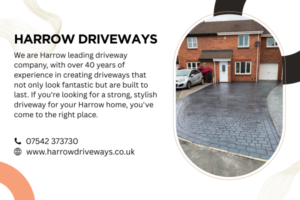
A driveway gives your home a neat entrance and a safe place to park your car. Over time it can develop cracks and loose blocks or uneven patches. Driveway repairs in Harrow can help fix these problems and protect the surface from further damage. But what causes driveway damage in the first place? Several things can affect your driveway including heavy vehicles and poor drainage. Knowing the causes can help you prevent costly work.
Heavy Vehicles and Regular Use
Your driveway faces pressure every time a car or van drives across it. This daily use can wear down the surface over the years. Heavy vehicles can cause even more strain because their weight puts pressure on the ground below.
A driveway with a weak base may start to sink under this pressure. You might notice dips near the parking area or cracks where your car wheels rest. If you use large vans or work vehicles then check the surface for signs of damage.
Poor Ground Preparation
A strong driveway needs a firm base. Before a contractor lays tarmac or block paving they must prepare the ground and create a stable foundation. If the team skips this step then the surface may not last as long as it should.
Loose soil can shift under the weight of vehicles. This movement can cause blocks to sink or create cracks across the surface. Poor ground preparation may also lead to uneven areas that collect rainwater.
Water and Poor Drainage
Water is one of the main causes of driveway damage. Rain can enter small cracks and reach the ground below. If water stays under the surface then it can weaken the base and cause parts of the driveway to move.
Poor drainage can make this problem worse. Water may collect near your garage or along the edges of the driveway. Over time these wet areas can damage the surface and create slippery patches.
Look out for these signs:
- Puddles that remain after rain.
- Water that flows towards your house.
- Soft or sinking patches near the edges.
- Cracks that grow after wet weather.
A drainage problem needs attention before you repair the damaged surface. Otherwise the same issue may return.
Cold Weather and Temperature Changes
Changes in temperature can affect driveway materials. Cold weather can make some surfaces more likely to crack. When water enters a small gap and freezes it expands. This pressure can make the gap wider.
Warm weather can also affect some driveway surfaces. Heat may soften certain materials and leave marks under heavy vehicles. Repeated changes between warm and cold conditions can put extra strain on an older driveway.
Tree Roots and Growing Weeds
Trees can add beauty to a garden but their roots may cause problems near a driveway. Roots grow through the soil as they search for water and space. If they reach the area under your driveway they can push the surface upwards.
This movement may create raised blocks or uneven sections. Weeds can also grow between paving joints when dirt and seeds collect in small gaps. Their roots may loosen the sand between blocks and make the surface look untidy.
If roots cause serious damage then ask a professional to check the area before you remove them. Cutting large roots without care can harm a tree or create other problems.
Poor Materials and Old Driveway Surfaces
Every driveway material has its own strengths and care needs. Tarmac can develop cracks and potholes as it ages. Block paving may lose joint sand and allow blocks to move. Resin surfaces can suffer damage when the base shifts or the surface loses its bond.
Low-quality materials may also wear out sooner than expected. An older driveway may show signs of damage even when you clean and care for it. If you are exploring resin options for another property then you can look at resin driveways barnet and resin driveways St Albans for ideas about this surface type.
Signs Your Driveway Needs Attention
Driveway damage often starts with small changes. A thin crack may not seem like a big concern but it can grow when water enters it. Loose blocks and potholes can also create problems for cars and people.
Check your driveway for these warning signs:
- Cracks that spread across the surface.
- Potholes that collect rainwater.
- Blocks that move under your feet.
- Raised areas near trees or garden edges.
- Loose stones or worn patches.
- Uneven ground where you park your car.
If you notice these signs then arrange an inspection. Early action can help you avoid a larger repair job.
How to Prevent Driveway Damage
You cannot stop every type of wear but good care can help your driveway last longer. Sweep away leaves and dirt so they do not build up. Remove weeds before their roots spread between paving blocks. Check for cracks after periods of heavy rain or cold weather.
You should also keep an eye on drainage. Make sure water can flow away from the driveway instead of collecting in low spots. Avoid parking heavy vehicles on areas that already show signs of sinking.
A professional can help you choose the right care plan for your driveway material.
How Professional Repairs Can Help
Different types of damage need different repair methods. A small crack may need a suitable filler while a sunken section may need the team to lift the surface and improve the base. A damaged tarmac area may need fresh material to create a smooth finish.
Driveway repairs in Harrow can help deal with cracks and potholes as well as loose blocks and uneven areas. A good contractor will inspect the surface and explain which repair suits your driveway. This helps you avoid paying for work that does not solve the real problem.
When Should You Contact a Driveway Specialist?
Do not wait until your driveway becomes difficult to use. Contact a specialist when cracks grow or water starts to collect in the same place. You should also seek advice if parts of the surface sink or rise.
A professional can check the surface and look for problems below it. This step matters because a simple surface repair may not last if the base has a fault. Driveway repairs in Harrow can help restore the surface and make your entrance safer for family and visitors.
Frequently Asked Questions
What is the most common cause of driveway damage?
Heavy use and poor drainage can cause many driveway problems. Water can weaken the base while vehicle weight puts extra pressure on the surface.
Can rain damage a driveway?
Yes. Rainwater can enter cracks and weaken the ground below the surface. Poor drainage can also cause puddles and sinking areas.
Why do driveway blocks start to sink?
Blocks may sink when the ground below them moves or loses support. Poor installation and water damage can also cause this problem.
Can tree roots crack a driveway?
Yes. Growing roots can push against the driveway and create raised or uneven areas. A specialist can check the damage and suggest a suitable repair.
How can I make my driveway last longer?
Keep the surface clean and remove weeds before they spread. Check for cracks and drainage problems so you can deal with them before they grow.
Conclusion
Driveway damage can come from heavy vehicles and poor drainage as well as tree roots and changing weather. Regular checks can help you spot small problems before they grow into costly repairs. Choose a skilled contractor who can find the cause and recommend the right solution. If your driveway needs care then professional support can help protect your home and improve its entrance in Harrow.
Related Blogs
Want to understand the cost of fixing cracks and other driveway problems? Read Driveway Repair Costs to learn what affects repair prices and how to plan your budget.
Contact Us:
Name: Harrow Driveways & Resin
Phone: 447542373730
Address: Byron Road, Harrow, HA3 7SR , United Kingdom