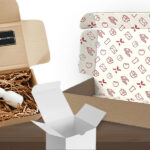
Shopping online is easy, but the experience does not end when an order is placed. Customers also notice how a product arrives at their door. A damaged box, poor protection, or too much plastic can leave a bad impression. Good e-commerce packaging helps prevent these problems while making an order feel more thoughtful. It can protect products during shipping, support a brand’s image, and make unpacking more enjoyable. Small packaging choices can also affect shipping costs and storage needs. For online sellers, finding the right balance between appearance, protection, and price is worth the effort. This article looks at practical packaging ideas that can help businesses choose better materials, improve presentation, and manage packaging costs without making the process too complicated.
Choose Suitable Materials
The material you choose affects how well an order survives shipping. Corrugated cardboard is a common option because it offers good strength without adding too much weight. For smaller products, lightweight mailers can also work well when the items do not need a rigid outer box. Businesses that sell fragile goods may need stronger layers of protection. E-commerce boxes wholesale suppliers can be designed around the size and shape of a product, which helps reduce space inside the parcel. It can also make packing faster for staff. The right material depends on the product, shipping distance, and handling conditions. Testing a few options before making a large purchase can help prevent expensive packaging mistakes later.
Match Packaging Sizes
Using the same box for every product may seem convenient, but it can create unnecessary costs. A large box needs more filling material and may take up more space during delivery. Smaller packages can often reduce wasted material and make storage easier. Businesses selling in e-commerce markets in Canada may also need to consider different shipping distances and carrier requirements. Product dimensions should be measured carefully before selecting box sizes. A package should leave enough room for protection without giving the product space to move around too much. Creating a small range of standard sizes can make the packing process simpler. It also gives a business more control over material use, storage space, and shipping expenses.
Build Strong Brand Recognition
Packaging can become part of a customer’s memory of a business. A simple logo, brand color, or printed message can make an order feel more personal. Custom ecommerce boxes can be useful for businesses that want packaging to match their visual identity. The design does not need to be complicated. Clean printing and a consistent look can be enough to make parcels recognizable. It is also helpful to think about what the customer sees first after opening the package. A neat arrangement can create a better impression than expensive decorations. Strong branding works best when it supports the product instead of distracting from it. Packaging should still be practical, easy to handle, and suitable for shipping.
Manage Bulk Purchasing
Packaging costs can become significant as order numbers grow. Buying larger quantities may lower the cost per unit, but businesses should avoid ordering more than they can reasonably store or use. E-commerce boxes wholesale suppliers can offer different sizes, materials, and printing options for growing businesses. Before placing a large order, it helps to compare material quality, minimum order quantities, storage needs, and delivery charges. Cheap packaging is not always the best value if boxes arrive damaged or fail during shipping. Businesses should also review sales patterns before committing to large quantities. A packaging design that works well today may need changes as products, order sizes, or customer expectations develop.
Improve Shipping Protection
A package has to handle more than the trip from a warehouse to a delivery van. It may be moved between facilities, placed under other parcels, or exposed to rough handling. Rigid mailers in bulk purchases can be useful for businesses shipping flat products that need more protection than a soft envelope can provide. Fragile items may need paper padding, cardboard dividers, or other protective materials. The goal is to keep the product stable without filling the package with unnecessary material. A quick shake test can reveal whether an item moves too much inside its box. Businesses should also test packages with real shipping conditions when possible. Better protection can reduce returns, complaints, and replacement costs.
Add Useful Printed Details
Printed packaging can communicate useful information while supporting a professional appearance. Printed e-commerce boxes may include a logo, handling message, website address, or simple thank-you note. These details can help customers identify a parcel and understand how to handle its contents. Printing also gives brands a chance to create a consistent experience across different products. However, too much information can make a package look crowded. The design should remain easy to read from a distance. Businesses should also consider whether printed surfaces affect recycling or reuse. In some cases, a simple one-color design can provide enough branding without adding unnecessary expense. Good packaging communicates clearly and keeps the focus on the product inside.
Consider Sustainable Choices
Many shoppers pay attention to the amount and type of packaging used for their orders. Businesses can respond by choosing materials that create less waste and are easier to recycle. Custom packaging boxes can include recyclable cardboard, paper-based fillers, reusable mailers, and right-sized boxes. The best option depends on the product and shipping requirements. Sustainability should not mean sacrificing protection. A damaged product can create more waste because it may need to be replaced and shipped again. Businesses can also reduce waste by avoiding oversized boxes and unnecessary layers. Clear information about disposal can help customers handle packaging properly. Simple changes often make a bigger difference than adding expensive sustainable features that serve little practical purpose.
Make Unboxing Memorable
The moment a customer opens an order can shape how they feel about the purchase. Packaging that looks neat and organized can make the experience more enjoyable. Ecommerce packaging Wholesale options can help larger sellers maintain a consistent presentation across many orders. Inside the box, ecommerce packaging boxes can be arranged with simple inserts, tissue paper, or product cards. Some brands use the best packaging inserts to explain product care, offer instructions, or encourage customers to return. Others add small details that create a more premium feel. Luxury ecommerce packaging can work especially well for high-value products, but it does not need to be expensive for every business. The best ecommerce packaging is practical, attractive, and suited to the customer’s expectations.
Conclusion
Good ecommerce packaging does more than hold a product during delivery. It protects the order, supports the brand, controls shipping costs, and shapes the customer’s first impression. The right choice depends on product size, shipping needs, budget, and the type of experience a business wants to create. Small improvements can make packing easier while reducing wasted materials and avoidable damage.
There is no single packaging style that works for every online store. A growing business may start with simple boxes and improve its design as order volumes increase. Testing materials, measuring products carefully, and listening to customer feedback can lead to better decisions over time. When packaging is practical and thoughtfully designed, it becomes a useful part of the overall shopping experience rather than just another business expense.